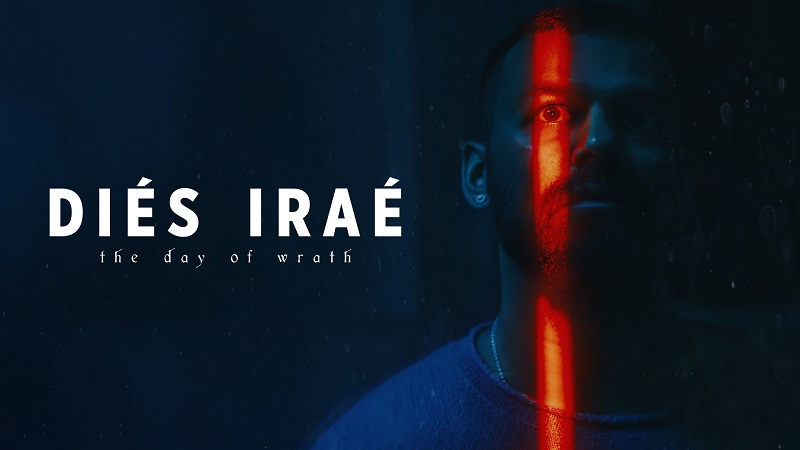
Dies Irae is a Malayalam horror film that chooses restraint over excess, relying on mood, atmosphere, and psychological tension rather than conventional scares. Directed by Rahul Sadasivan, the film continues the recent trend in Malayalam cinema of exploring horror through introspection and unease, offering an unsettling experience without resorting to loudness.
The Story
The film follows Rohan, a successful architect whose routine life begins to fracture after an encounter connected to a tragic death from his past. What initially appears to be a simple visit soon transforms into a disconcerting experience, as Rohan finds himself trapped in a space where memories, guilt, and fear begin to overlap.
Rather than spelling everything out, Dies Irae allows its story to unfold gradually. The narrative thrives on ambiguity, drawing the audience into Rohan’s mental state and letting tension build through suggestion rather than explanation. This slow-burn approach demands patience, but it rewards viewers who are willing to immerse themselves in its atmosphere.
Performance at Core
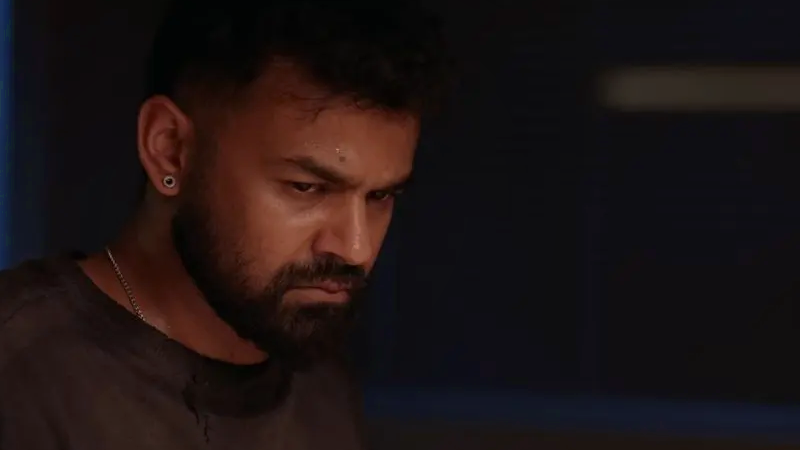
Pranav Mohanlal delivers a controlled and internalized performance, carrying much of the film on his shoulders. His portrayal of a man unraveling from within feels measured and believable, avoiding dramatic excess. The supporting cast complements this grounded approach, providing emotional context without drawing attention away from the central conflict.
Direction, Sound, and Visual Design
Rahul Sadasivan’s direction is confident and deliberate. The film avoids familiar horror shortcuts, instead creating fear through silence, framing, and sound design. Ordinary interiors become oppressive, and stillness is used as a weapon, making the viewer constantly anticipate what might come next.
The cinematography plays a crucial role in shaping the film’s mood. Clean, modern spaces are filmed in a way that feels isolating rather than comforting. Shadows, empty corridors, and carefully composed shots heighten the sense of dread. The sound design is equally effective, using minimal cues to amplify discomfort and tension.
More Than Just Horror
Beyond its surface-level scares, Dies Irae explores themes of guilt, faith, and the psychological weight of unresolved trauma. The film suggests that fear does not always come from external forces; sometimes it emerges from within, shaped by past choices and suppressed emotions.
The title itself hints at judgment and reckoning, reinforcing the idea that the horror experienced by the protagonist is as much personal as it is supernatural.
Mixed Response from Some
The film’s restrained pacing and open-ended storytelling may not work for everyone. Viewers expecting frequent jump scares or clear explanations may find the experience demanding. However, for fans of atmospheric and psychological horror, this approach is precisely what makes Dies Irae effective.
Dies Irae stands as a strong example of modern Malayalam horror that values mood and meaning over spectacle. It is a thoughtfully made film that lingers in the mind, using fear as a tool for introspection rather than shock.
Where to watch Diés Iraé (2025)