If you just finished watching Netflix's Mousetrap, you may be looking for that same particular kind of thriller: the one where the danger doesn't arrive screaming through the front door. It arrives quietly. It changes a name. It moves into a house. It makes one phone call. It convinces someone that the life they thought belonged to them never really did.
Korean thrillers have become exceptionally good at this kind of slow psychological sabotage. The most unsettling villains don't necessarily want to kill the protagonist immediately. Sometimes they want something much more disturbing: their identity, their home, their family, their reputation, their memories—or simply the life they spent years building.
That's what connects the seven films below. They aren't all conventional identity-theft stories. Some involve literal replacement. Others are about infiltration, revenge, manipulation or rewriting reality itself. But in every case, someone is slowly taking control of another person's world.
1. Helpless (2012)

A few days before his wedding, veterinarian Mun-ho stops at a highway rest area with his fiancée Seon-yeong. He steps away for only a few minutes. When he comes back, she has disappeared.
At first, everything points toward a kidnapping. Then the details start becoming uncomfortable. The apartment doesn't quite make sense. Her financial history doesn't make sense. Even the woman Mun-ho thought he knew doesn't seem to exist.
The deeper he digs, the more frightening the mystery becomes: someone has been living behind another person's identity, and the consequences of that deception stretch much further than a fake name.
Why it works
Helpless understands that bureaucracy can be scarier than a masked killer. Bank records, old photographs, debt, employment histories and forgotten acquaintances gradually become pieces of a nightmare.
There is very little conventional horror here. The fear comes from discovering that the person closest to you may have constructed an entirely different life—and that you might be the last person to realize it.
2. Forgotten (2017)

Jin-seok watches helplessly as his older brother Yoo-seok is kidnapped. Nineteen days later, Yoo-seok comes home.
That's when the real nightmare begins.
Something about his brother is different. Small things at first. A mannerism. A reaction. A detail that shouldn't matter—but does.
Jin-seok begins wondering whether the man who returned home is actually the brother who was taken.
Why it works
Forgotten is exactly the kind of movie that rewards going in knowing as little as possible. It keeps moving the line between truth and deception until the audience becomes as uncertain as the protagonist.
The clever part isn't simply the twist. It's how the film makes earlier scenes look completely different once you understand what was really happening.
If Mousetrap appealed to you because you enjoyed watching somebody slowly realize that the reality around them doesn't add up, put this near the top of your list.
3. Hide and Seek (2013)

Sung-soo appears to have the life most people would envy: a successful career, a wife, children, an expensive apartment and a comfortable existence.
Then he learns that his estranged brother has disappeared.
His search takes him to a shabby apartment complex where strange symbols have been carved beneath the residents' doorbells. The people inside seem frightened. Some appear to be hiding something. And before long, Sung-soo realizes that whatever is happening there may not be staying there.
Why it works
The film plays on a particularly nasty fear: what if somebody wants your home badly enough to become you?
The horror becomes more effective because Sung-soo's comfortable life is gradually contaminated by what he discovers. Keys disappear. Someone tries to enter the house. Familiar spaces stop feeling safe.
It turns the idea of "home invasion" into something more personal. The threat isn't simply breaking into your house. It's taking your place inside it.
4. Parasite (2019)

Calling Parasite an identity-theft thriller might sound strange at first. Nobody walks around pretending to be Mr. Park.
That's not the point.
The Kim family gradually inserts itself into the wealthy Park household. One job becomes another. One employee is replaced. Then another. Before long, the family has effectively infiltrated almost every layer of the household's private life.
They aren't simply earning money. They are occupying somebody else's world.
Why it works
Bong Joon-ho makes the house itself feel like a character. Every room has a hierarchy. Every staircase means something. Every boundary between upstairs and downstairs carries social weight.
The brilliant trick is that the film initially feels like a clever con movie. Then the atmosphere changes. What seemed funny starts feeling dangerous, and the question becomes less about whether the Kims can maintain their deception and more about what happens when several people believe they have a right to somebody else's life.
5. Voice of a Murderer (2007)
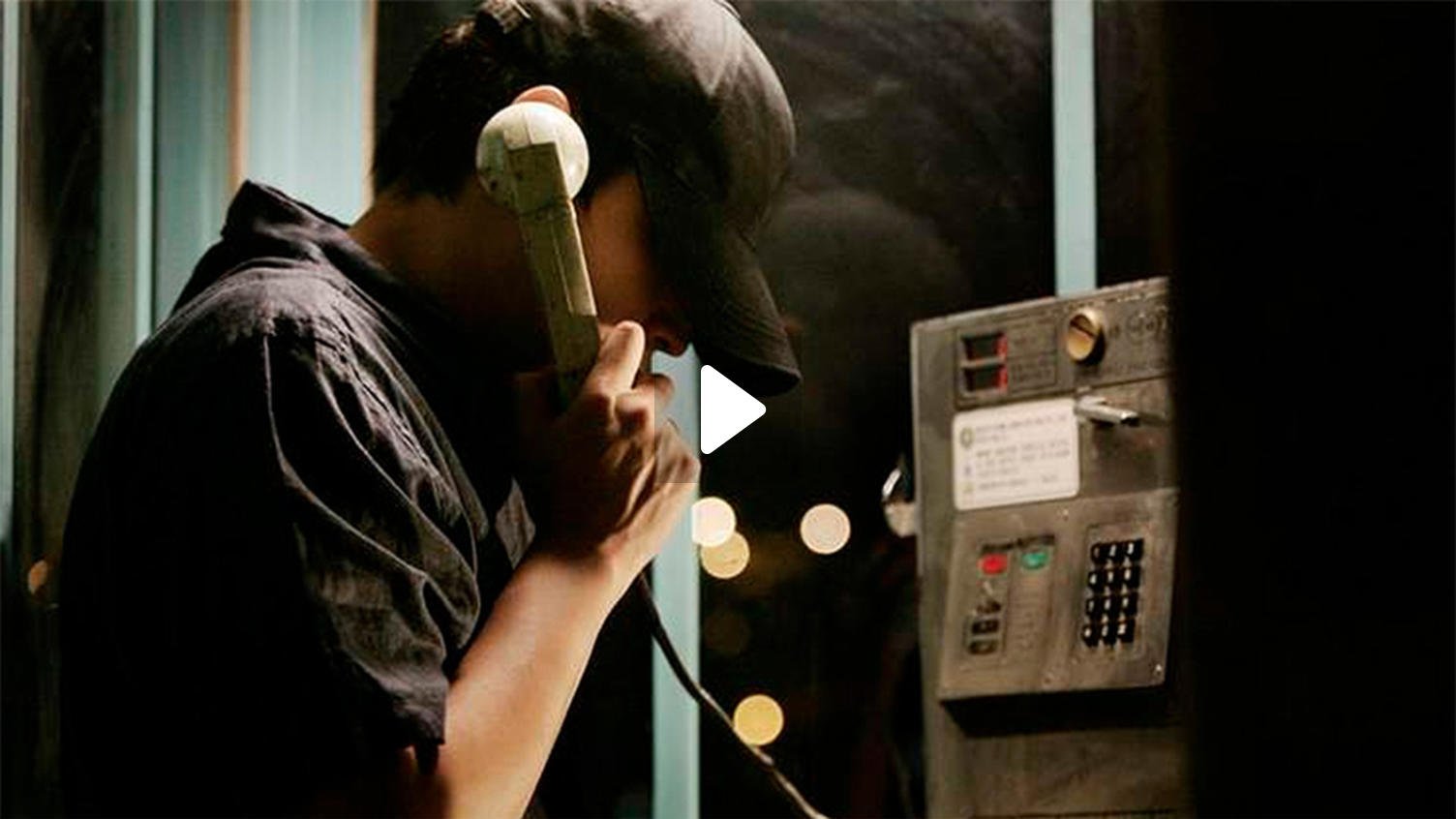
Famous news anchor Han Kyung-bae appears to have everything: a successful career, public recognition and a family he loves.
Then his nine-year-old son is kidnapped.
The kidnapper doesn't simply demand money. He begins controlling the family's movements through a series of phone calls, instructions and threats.
The voice becomes the presence of the villain.
Why it works
There is something particularly cruel about a villain who doesn't need to enter the room to control you.
Voice of a Murderer is less about someone physically stealing a man's identity and more about watching an antagonist dismantle his sense of control. His career, his family, his decisions and eventually his emotional stability all become part of the kidnapper's game.
The story was fictionalized from the real-life 1991 kidnapping of nine-year-old Lee Hyung-ho, which makes the film considerably more disturbing than a conventional thriller. 5
6. The Call (2020)

Seo-yeon returns to her childhood home and discovers an old telephone.
Then it rings.
The woman on the other end isn't calling from another room. She's calling from twenty years in the past.
At first, the connection seems almost miraculous. Two women separated by time begin helping each other. But when Young-sook discovers that the future can be changed, the relationship turns into something much darker.
Every alteration to the past changes Seo-yeon's present.
Why it works
This is probably the most literal example on this list of someone stealing another person's life without physically becoming them.
The villain doesn't need to break into Seo-yeon's house. She simply changes what happened twenty years earlier.
Suddenly, people who were alive are dead. Relationships disappear. Memories change. The life Seo-yeon remembers can literally stop existing.
It's a terrifying idea because there is nowhere to run. The villain isn't attacking the present. She's rewriting it.
7. No Mercy (2010)
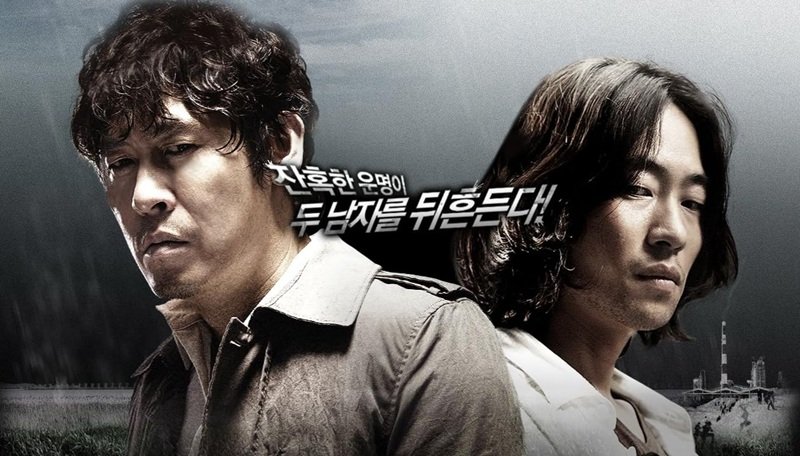
Forensic pathologist Kang Min-ho is preparing to retire when a brutally dismembered body turns up beside a river.
The investigation leads to environmental activist Lee Sung-ho, who appears to be the obvious suspect. But when Kang's daughter becomes part of the equation, the case becomes intensely personal.
Lee begins manipulating Kang from inside the investigation itself, forcing him to make choices that destroy the professional principles he has spent his career defending.
Why it works
No Mercy isn't an identity-swap movie. It's something nastier: a revenge thriller about someone deliberately dismantling another man's life piece by piece.
The villain understands exactly where Kang is vulnerable and uses that knowledge against him. His profession, his reputation, his relationship with his daughter and eventually his own sense of morality become weapons.
If your definition of "stealing someone's life" includes making a person lose everything that once defined him, this is one of the strongest films on the list.